Safety training helps refinery teams share lessons across industry
Business News
Detroit, Michigan, Safety, sustainability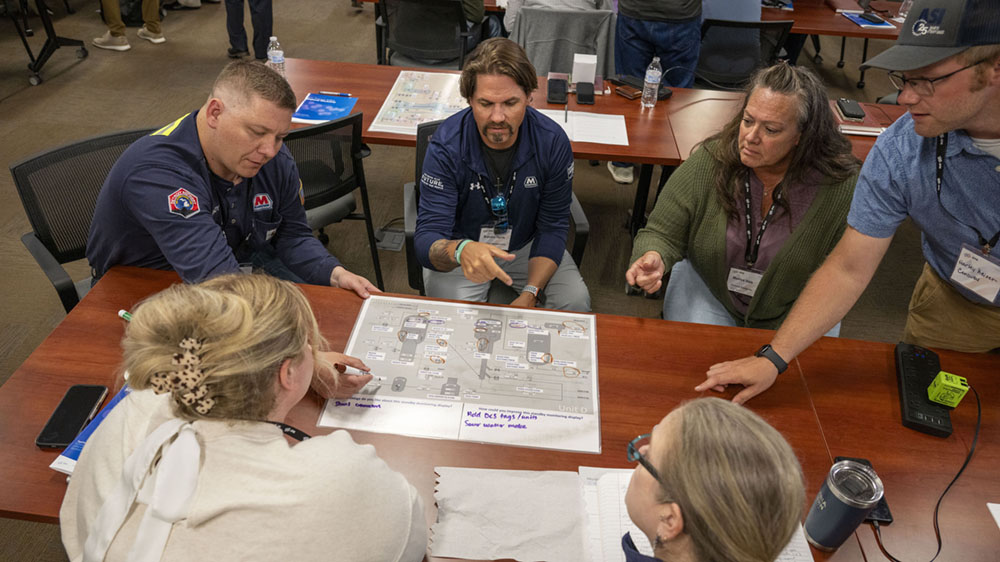
Key Points
- Marathon Petroleum supported a safety workshop at its Detroit refinery focused on practical process safety lessons for operating teams.
- Led by the American Fuel and Petrochemical Manufacturers (AFPM), the training shared lessons from fluidized catalytic cracking units and was recognized by the U.S. Chemical Safety Board for helping improve refinery safety across the industry.
- Participants from Marathon Petroleum and other companies discussed real scenarios and identified actions they could take back to their sites to make shifts safer.
A Marathon Petroleum-supported effort to strengthen safety reached its Detroit refinery in June, bringing industry peers together for a hands-on workshop focused on process safety for fluidized catalytic cracking units, commonly known as FCC units.
Taking safety lessons to the field
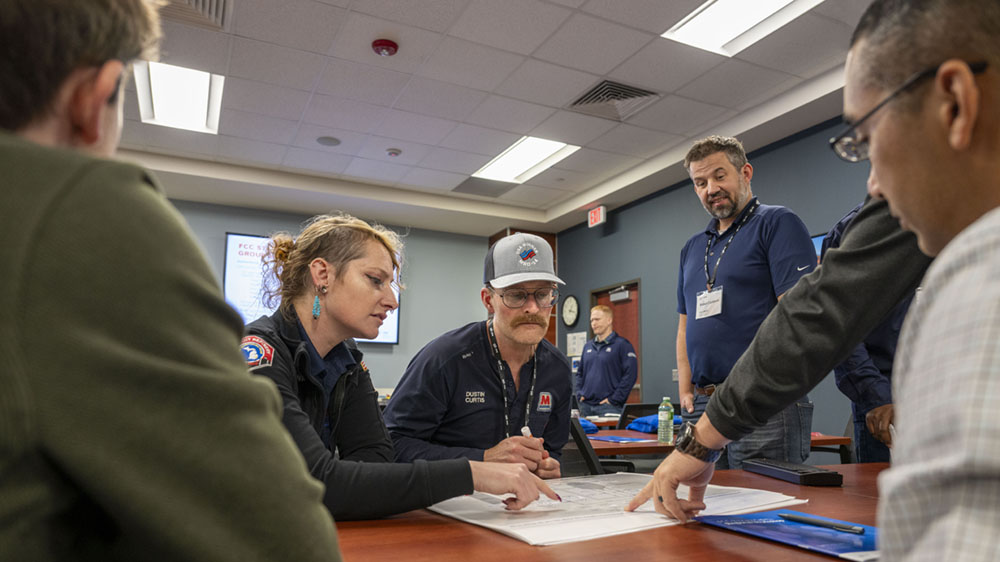
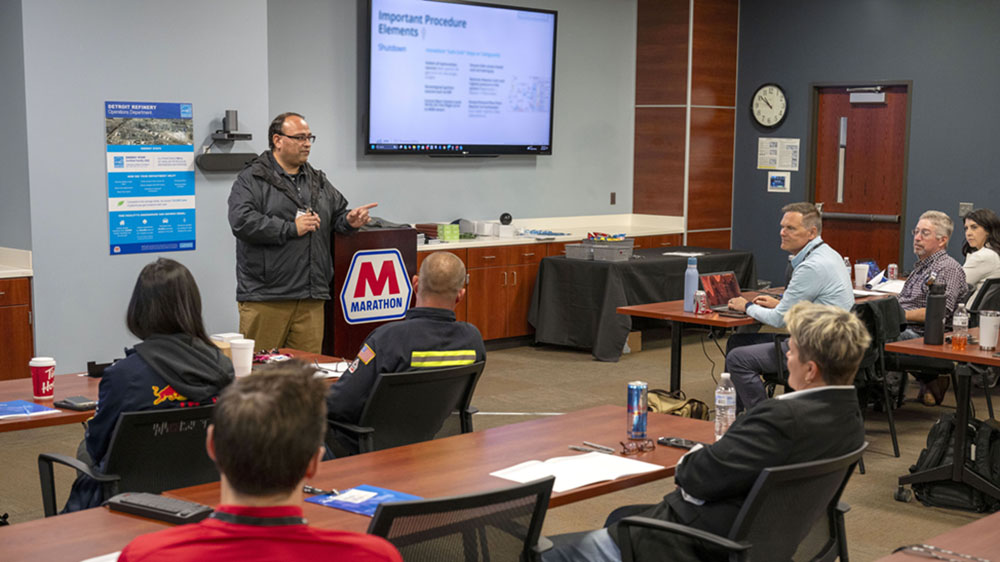
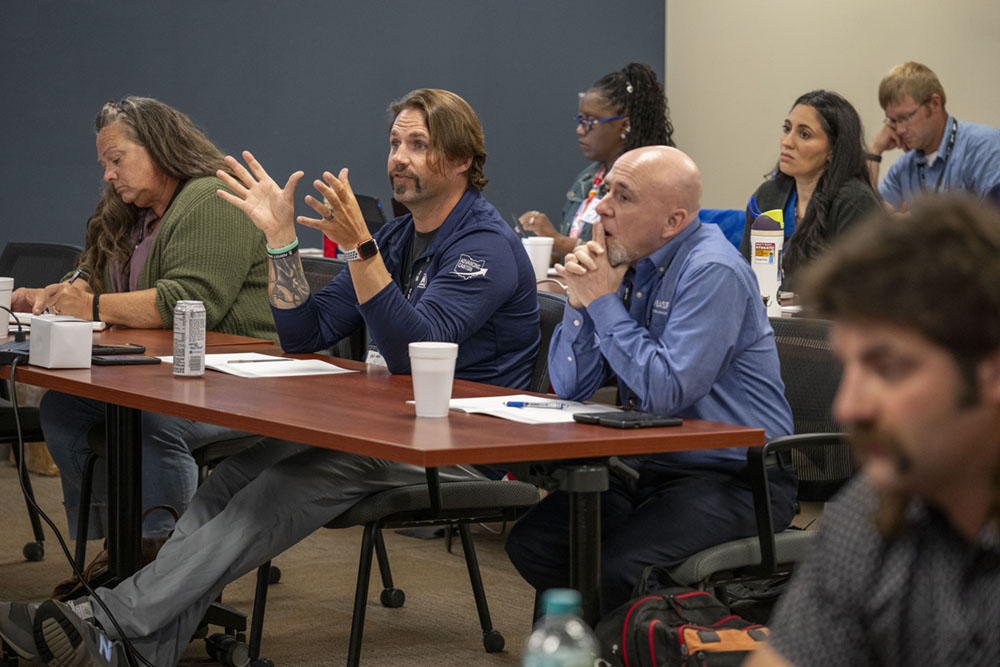
The one-day training focused on lessons from serious FCC incidents and practical steps operating teams can use to recognize hazards, strengthen process safety and prevent similar events. Interactive sessions covered common hazards, startup and shutdown scenarios and emergency procedures.
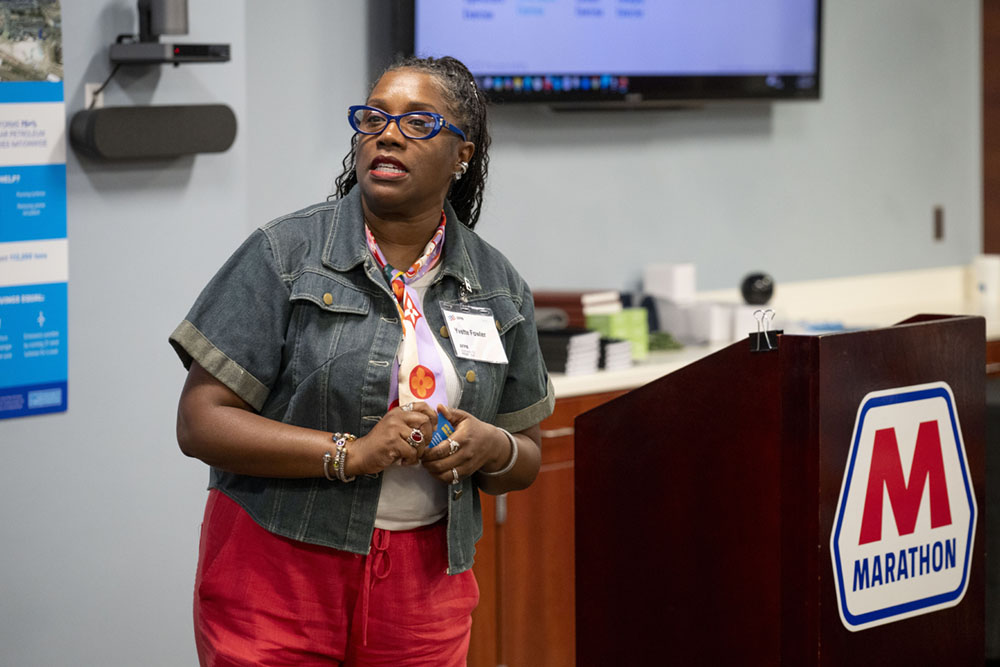
Nikolas Larsen, Marathon Petroleum Refining Technology Director and current chair of the American Fuel and Petrochemical Manufacturers (AFPM) FCC Committee, and Tiffany Clark, FCC Technologist, helped lead the development of the workshops, which were created to take safety knowledge directly to the people operating and supporting FCC units across the industry.
“We didn’t think another standard or another document sitting on a shelf was going to help the industry as much as taking the learnings and recommendations to the units and the people actually running FCC units,” Larsen said.
Industry effort earns safety recognition
AFPM’s FCC safety initiative was recognized by the U.S. Chemical Safety and Hazard Investigation Board (CSB) through a Safety Spotlight for voluntary action to improve refinery safety. The CSB said AFPM’s work helped address a recommendation aimed at sharing refinery safety lessons more broadly across the industry.
Larsen said the recognition reinforces the value of sharing practical tools and lessons across companies.
“When we learn from each other’s experiences, we make the entire industry safer,” Larsen said. “I wanted to make sure everybody was getting the message at least once. If we’re talking to somebody from each site, then I know we’ve done what we can to get the hazards, recommendations and practices out there.”
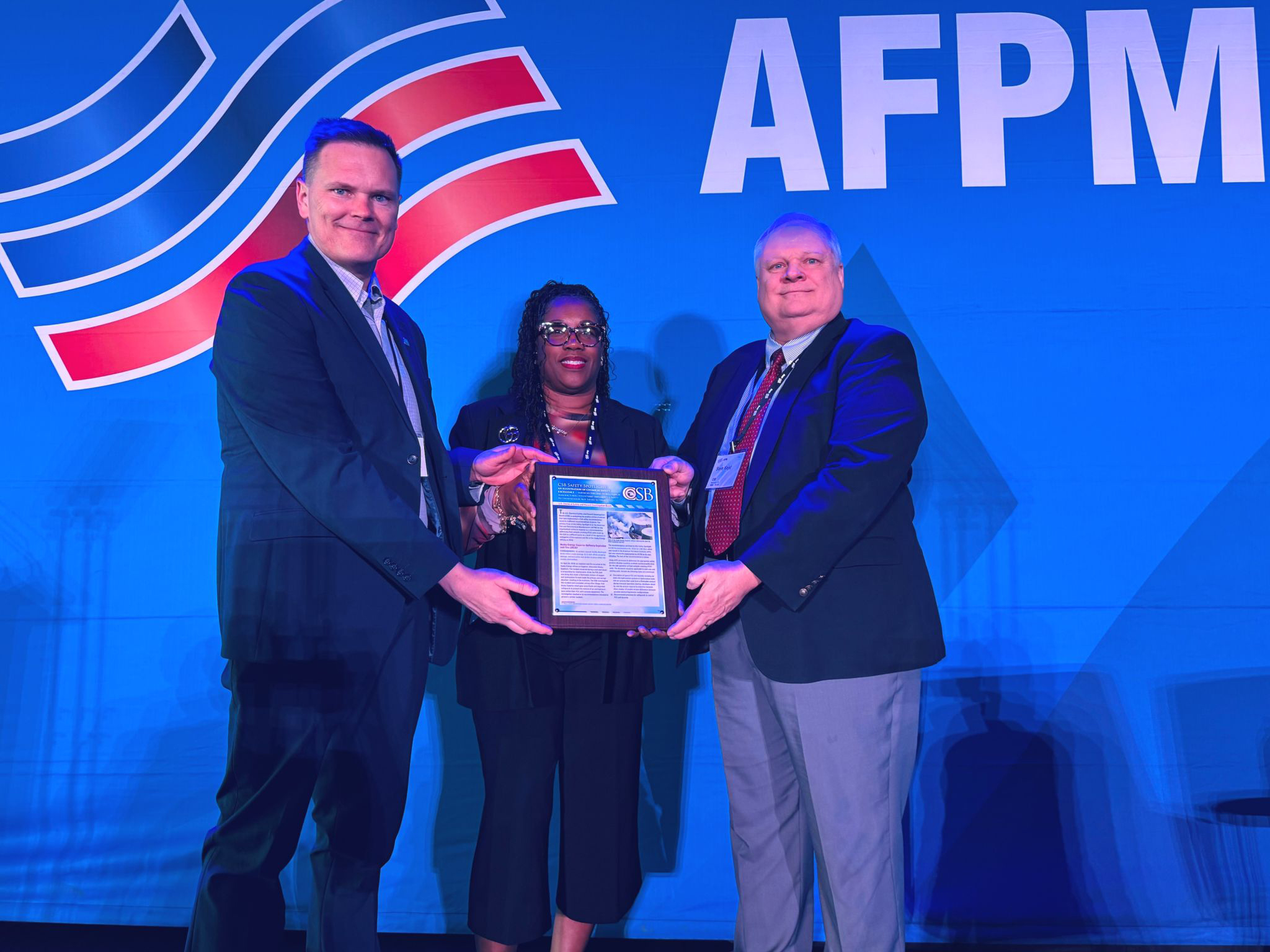
“When we learn from each other’s experiences, we make the entire industry safer.”
Connecting refinery teams across sites
The Detroit refinery workshop brought together participants from Marathon Petroleum and other refining companies in the region. Bryan Dinkel, a member of Larsen’s team, led a session, while employees from the Detroit refinery and Marathon's refinery in Canton, Ohio, joined industry peers in the discussions.
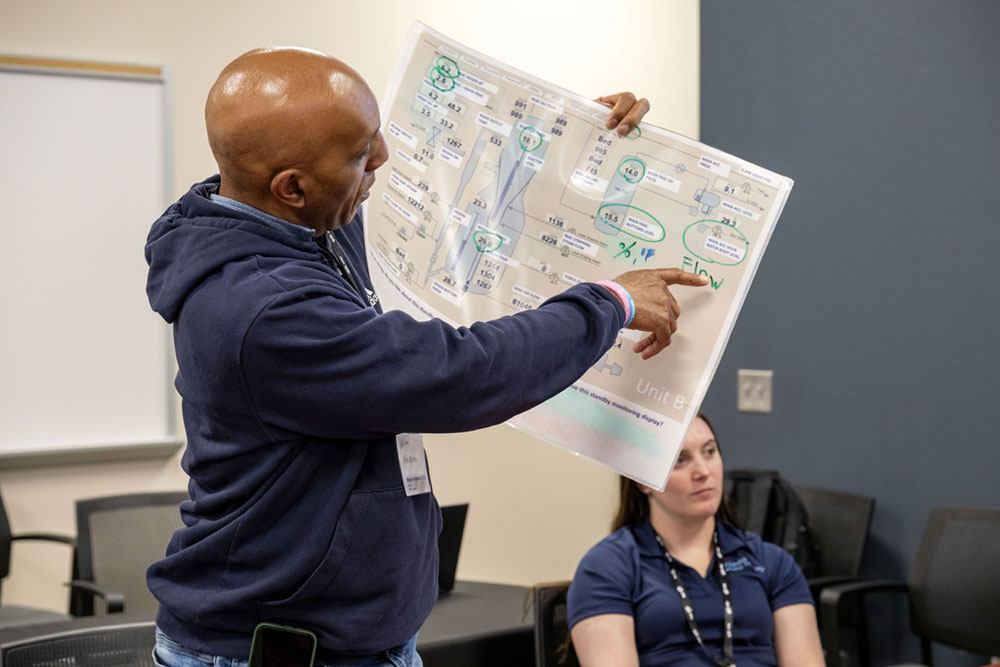
The sessions were designed to be practical and interactive, with attendees discussing real scenarios and identifying actions they could take back to their sites. Feedback from previous workshops highlights the value of connecting operators, trainers, supervisors and engineers facing similar challenges in different locations. Since the workshops began in November 2023, employees from all 13 Marathon Petroleum FCCs have attended regional sessions.
“The true value of the roadshow workshop isn’t just what we learned,” said Operations Excellence Specialist Brandon Harris from the Canton refinery. “It’s what we take home, share with our teams, and use to make every shift safer.”