Conserving Natural Resources

To meet society's current and future energy needs, MPC must do our part as responsible stewards of the environment we all share. We are committed to minimizing our environmental impact and reducing our footprint through advanced practices and investments to protect biodiversity, reduce waste, reduce freshwater withdrawal and improve air quality.
Protecting Biodiversity
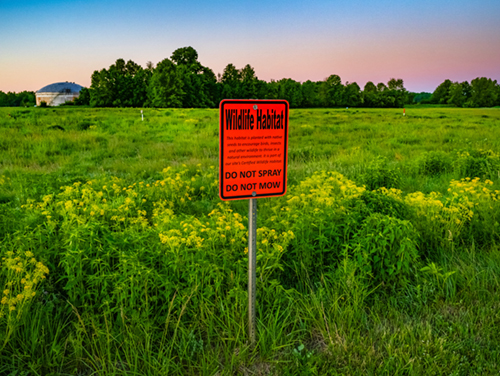
MPC is committed to protecting biodiversity through proactive measures that support plant and animal species and preserve their natural habitats. Our Operational Excellence Management System provides the procedural framework to ensure we account for the potential effects of our activities on ecosystems and prepare necessary mitigation procedures. We are mindful that operating within communities is a privilege, and we collaborate with tribal and local stakeholders, business partners, and applicable state and federal regulatory agencies, including but not limited to the U.S. EPA, U.S. Fish and Wildlife Service, U.S. Bureau of Land Management and U.S. Army Corps of Engineers.
Reducing Waste
We are continually working to reduce the volume of waste we generate and to find alternative methods for disposal, such as energy recovery and recycling. Since 2013, more than 133,000 tonnes of waste from our refineries has become an alternative fuel source for the cement industry. We also work with companies that specialize in metals reclamation, in lieu of using landfills, to manage many of the spent catalysts we use in our processes. These companies recover and recycle metals, such as cobalt, copper, molybdenum, platinum and vanadium. This reduces landfill volumes while putting materials to beneficial use.
Reducing Freshwater Withdrawal
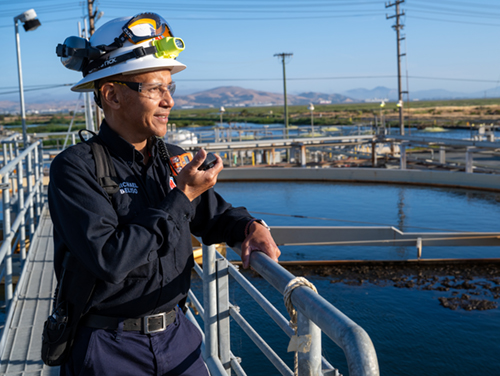
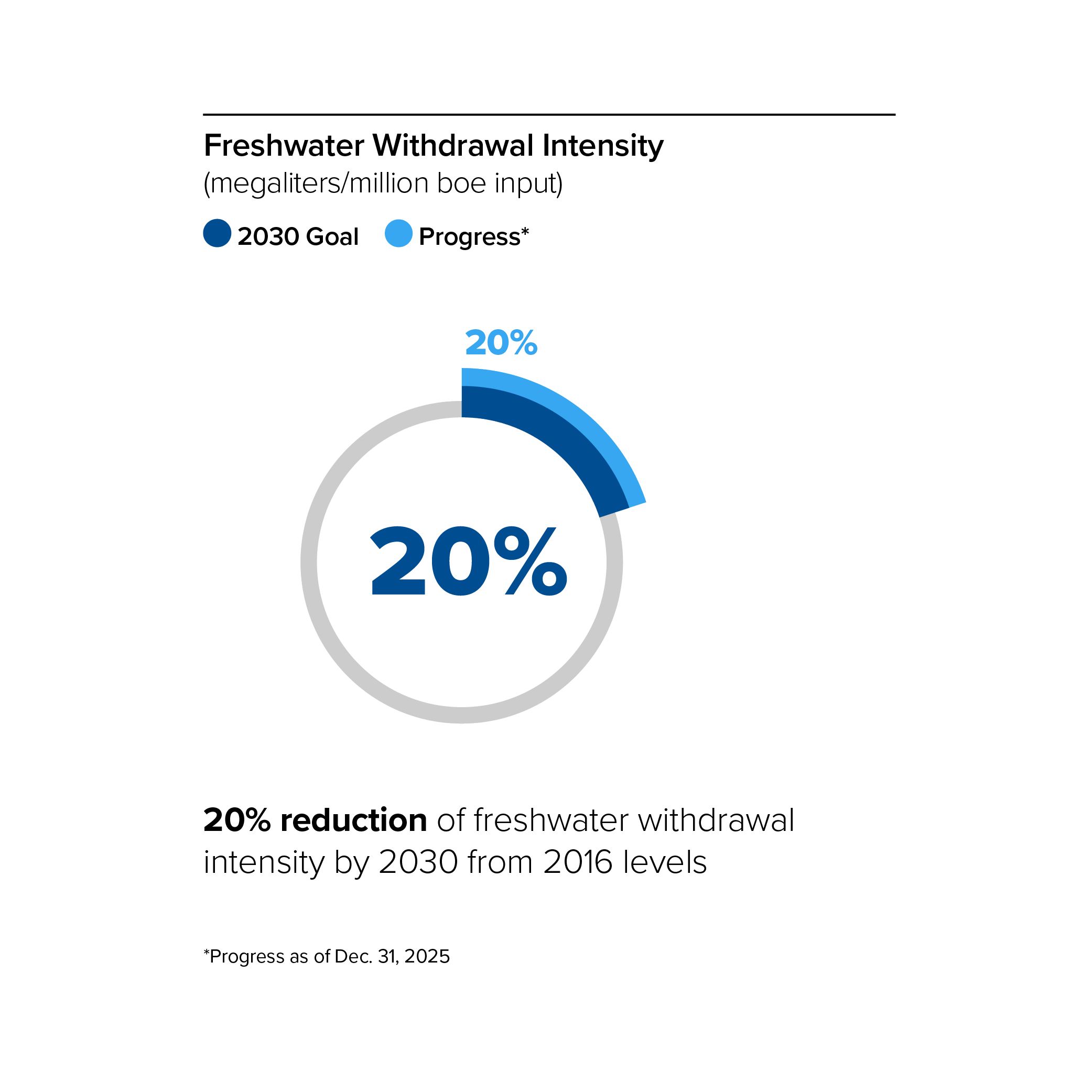
At MPC, we strive to actively manage and monitor water use across our operations. Responsible use and sourcing of fresh water is especially important in water-stressed regions in the U.S. Through our formal Focus on Water program established at all refineries, we continually assess water use, seek to understand and mitigate water risks and evaluate opportunities to reduce our use of this shared resource. To further our commitment to water conservation, we voluntarily set a companywide target to reduce freshwater withdrawal intensity by 20% from 2016 levels by 2030.
In 2025, through collaborative efforts and enhanced emphasis on water savings opportunities, we achieved our companywide target. This was accomplished five years earlier than our initial goal attainment date. This equates to approximately 2 billion gallons of fresh water saved annually since 2016.
Improving Air Quality
Our comprehensive approach to improving air quality aims to reduce gas flaring and minimize fugitive emissions. This approach has helped us reduce criteria pollutants by 56% since 2001.
We are an industry leader in reducing emissions from refinery flares. Our flare reduction strategy focuses on preventing gases from entering the flare system, waste gas recovery and optimizing combustion efficiency. Most of our refineries have flare gas recovery systems to capture gas that would otherwise be flared and reuse it as refinery fuel. This reduces reliance on purchased natural gas and helps lower overall greenhouse gas emissions.
Learn More