Public-private coalition looks to the skies to further lower methane emissions
Business News
Logistics, Environment, Sustainability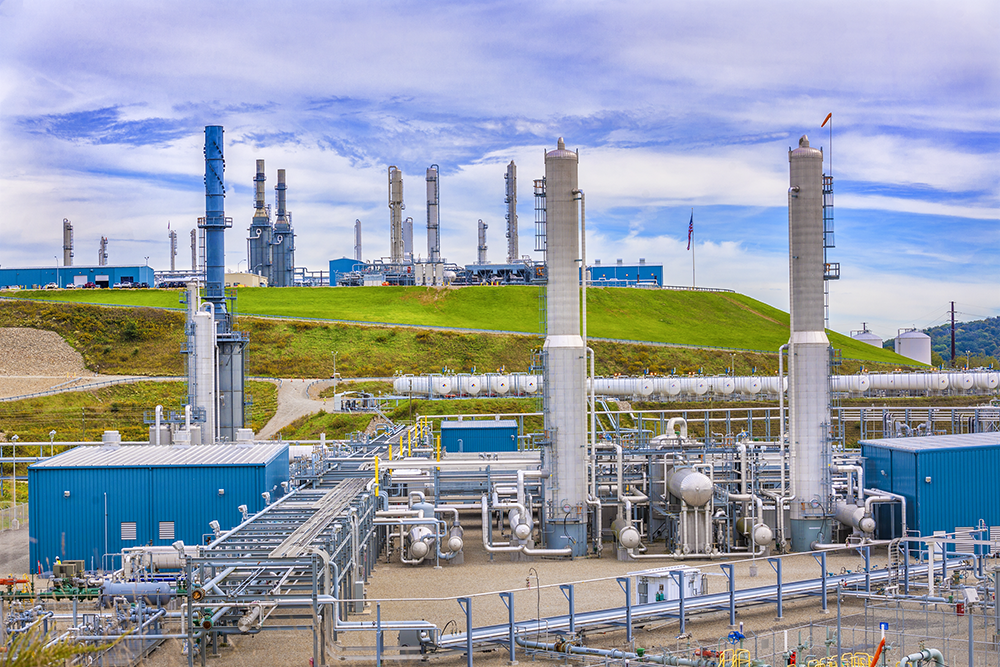 |
 |
Key Points
- University researchers and natural gas companies are working in the Appalachian Basin to move toward long-term emissions reduction in natural gas supply chains.
- The Appalachian Methane Initiative is using aerial survey technology to foster industry best practices and advance methane emissions monitoring in the U.S.
- Marathon Petroleum’s midstream affiliate, MPLX, is one of six companies in the initiative, which generated 2024 data showing the basin’s emissions intensity was the lowest among U.S. natural gas-producing basins.
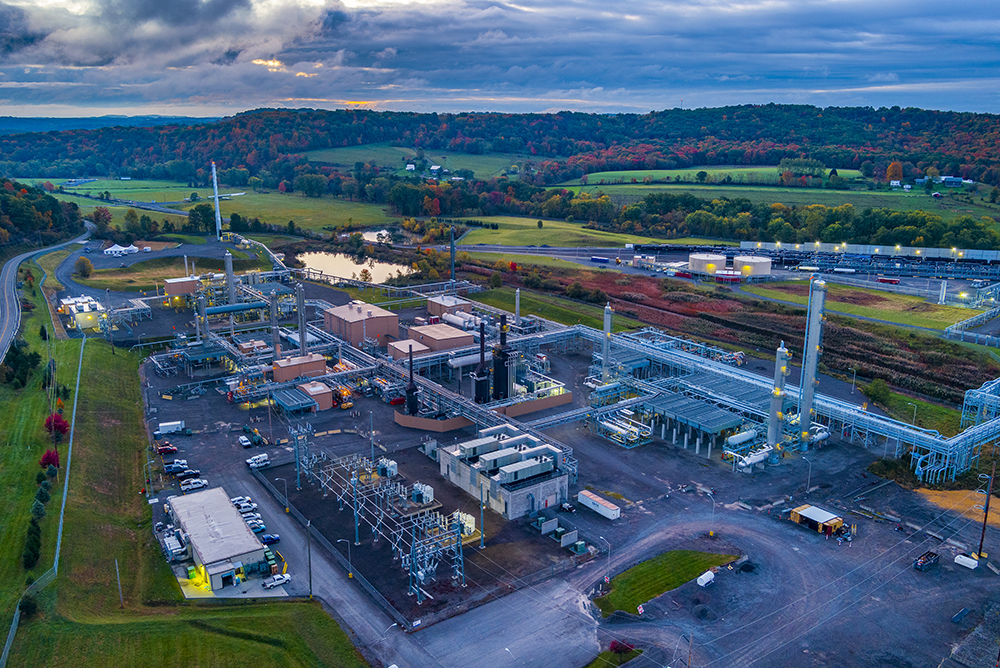
A program to advance methane emissions reduction in the U.S. is taking to the skies high above the Appalachian Basin, one of the country’s largest oil and natural gas fields. The Appalachian Methane Initiative (AMI), a coalition of natural gas companies, is working with university researchers and technical consultants to leverage monitoring technology that involves satellites and aerial surveys.
“Our mission is to provide data-driven, transparent and practical emissions assessments of oil and natural gas supply chains using high-resolution aerial surveys,” said Dr. Arvind Ravikumar, co-director of the Energy Emissions Modeling and Data Lab at the University of Texas at Austin, which AMI engaged to collect and interpret data as part of an emissions monitoring campaign. “The science developed through collaborative projects like AMI can pave the way toward near-zero-emissions natural gas supply chains."
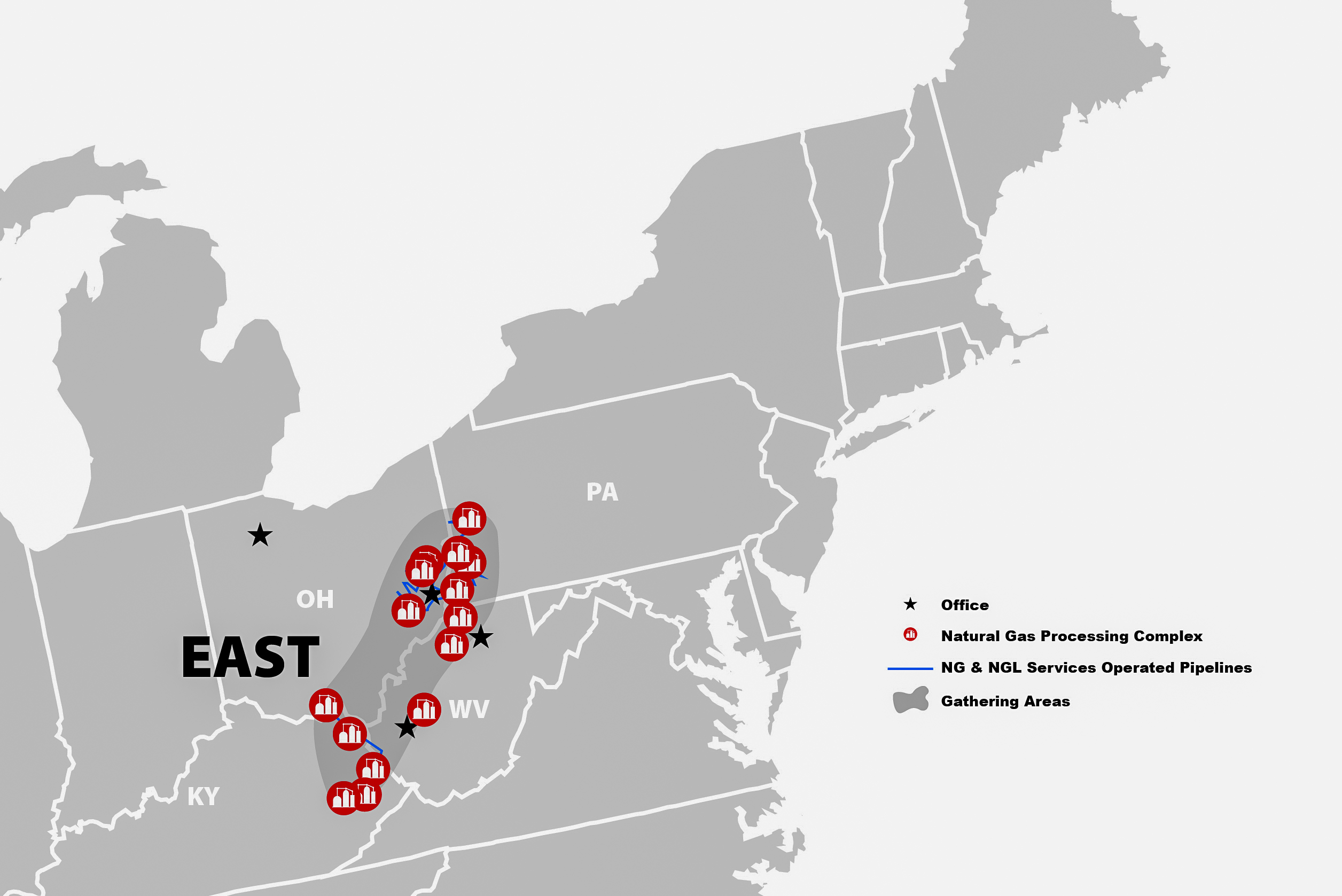
Marathon Petroleum’s midstream affiliate, MPLX, is one of AMI’s six members. MPLX is contributing to the campaign through quarterly aerial surveys of its natural gas facilities across the basin in parts of Pennsylvania, West Virginia and Ohio.
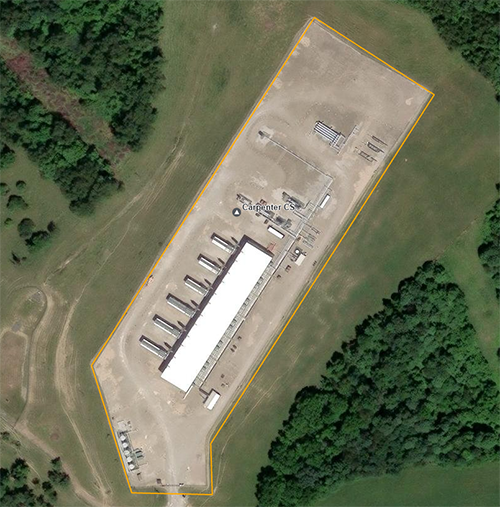
“The flyovers incorporate lasers and sensors that detect opportunities for methane emissions reduction, and survey findings are guiding the development of measures to mitigate and prevent future emissions releases,” said MPLX Sustainability Director Jonathan Matt. “The data generated will help establish basin-wide metrics to promote industry best practices and long-term emissions reduction.”
AMI is striving to make the Appalachian Basin the world's premier basin for low methane-intensive natural gas, and we want to be part of that.”
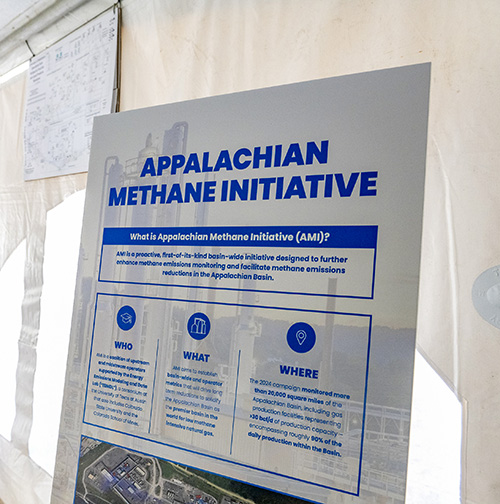
AMI’s monitoring campaign began as a pilot project in 2023 that expanded last year to include aircraft surveys of more than 15,000 sites that covered approximately 20,500 square miles of the Appalachian Basin. An AMI study of the 2024 results found that methane emission intensities across all AMI operators were below 0.1%, making the Appalachian Basin’s intensity the lowest of the natural gas-producing basins in the U.S. This year, monitoring is expected to reach more than 32,000 square miles, encompassing almost 100% of the basin’s daily natural gas production.
In parallel with its AMI involvement, MPLX is working with industry peers to develop and deploy a software application to integrate published satellite and aircraft monitoring data. With this information and data from its own flyovers, MPLX will have benchmarking capabilities to help operators at its facilities target emissions reduction opportunities more precisely.
“Our collaboration within AMI is expanding our monitoring capacity, which serves as an extension of our company’s commitment to safe and reliable operations, and environmental stewardship,” Matt said. “Ultimately, AMI is striving to make the Appalachian Basin the world's premier basin for low methane-intensive natural gas, and we want to be part of that.”