Our People: Refinery’s wildlife reserve inspires employee volunteer to carry on decades-long legacy
Community News
Catlettsburg, Kentucky, environment, people, Sustainability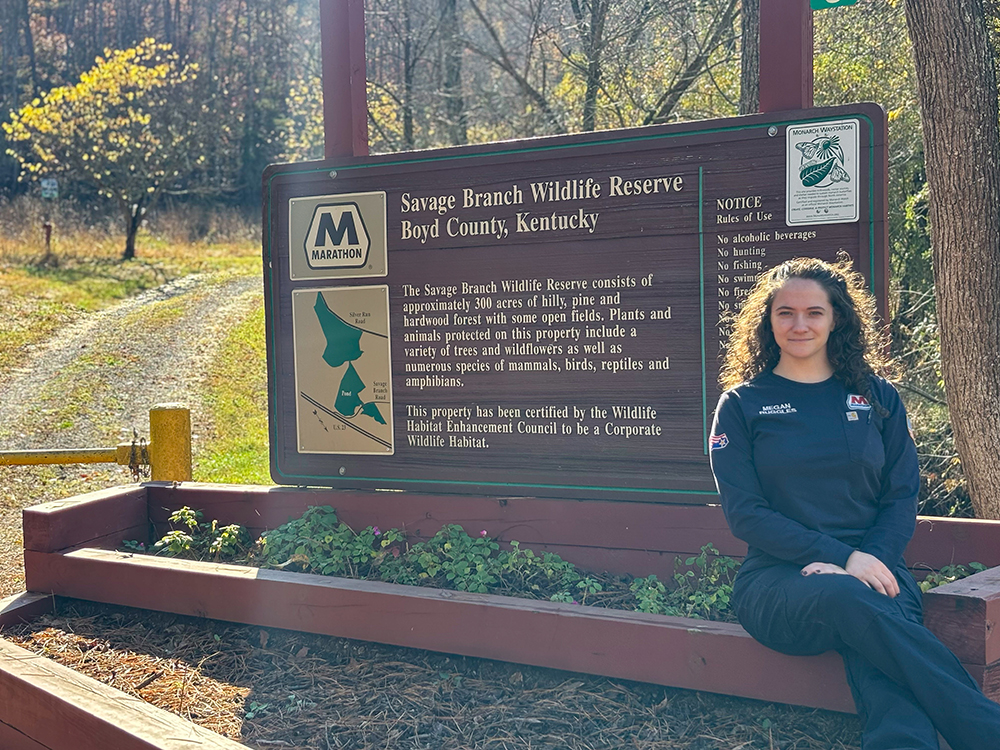
Key Points
- Volunteer leadership is changing hands at the Savage Branch Wildlife Reserve in Catlettsburg, Kentucky, one of the longest-running WHC-certified conservation sites in the U.S.
- The reserve is owned by Marathon Petroleum’s Catlettsburg refinery and managed by employee volunteers, reflecting the company’s commitment to environmental stewardship.
- The employee who led volunteer support for 16 years is retiring, passing along duties to an experienced fellow volunteer to preserve this award-winning tradition.
Growing up on a farm and spending countless hours playing in a creek filled with freshwater mussels and catching minnows gave Megan Ruggles a love of nature that continues to influence her career pursuits. After earning a biology degree and becoming an Environmental Specialist at Marathon Petroleum Corporation’s (MPC) Catlettsburg, Kentucky, refinery, Ruggles is taking on the extra task of leading employee volunteer support at the refinery’s Savage Branch Wildlife Reserve.
“I think the refinery work and the love of nature go hand in hand,” Ruggles said. “The environmental departments of refineries are there to protect communities and the environment by pursuing flawless compliance with the refinery’s operating permits. Savage Branch provides a way to see in real time how we are protecting biodiversity in our local community.”
Big shoes to fill
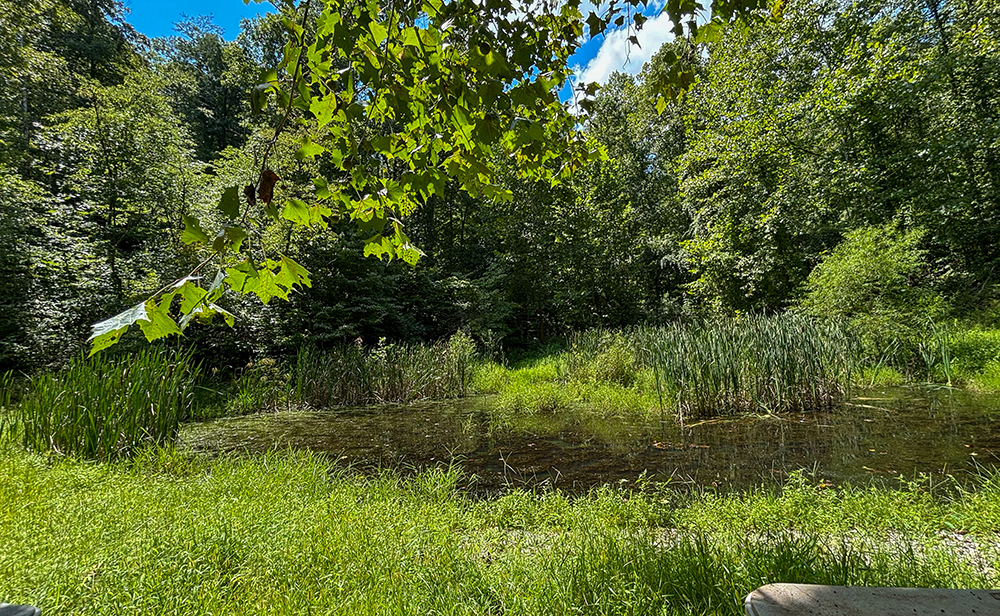
The 360-acre reserve is the largest of nine conservation sites across MPC that hold WHC Certification® powered by Tandem Global, formerly Wildlife Habitat Council and World Environment Center. Certification signifies meeting requirements of the world’s only voluntary sustainability standard for biodiversity enhancement and conservation education on corporate landholdings.
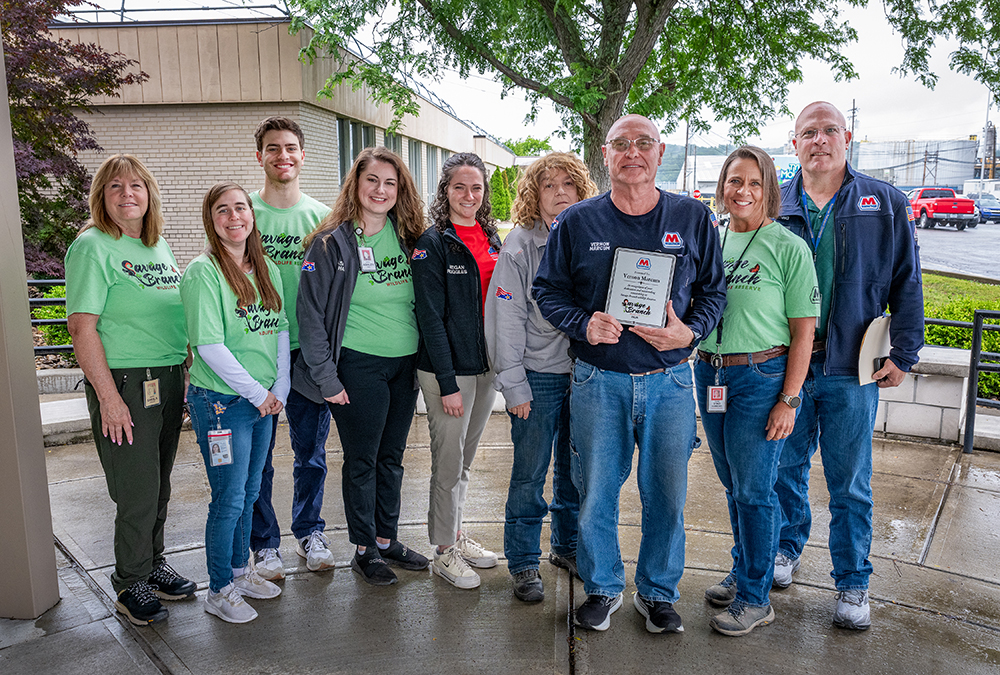
In overseeing volunteer support at Savage Branch, Ruggles will succeed Senior Environmental Specialist Vernon Marcum. He is scheduled to retire from MPC in January after 18 years with the company, including the past 16 years leading volunteers at the reserve. Under his guidance, Savage Branch has maintained its position as one of the longest-running WHC-certified sites in the U.S., remaining certified since 1994.
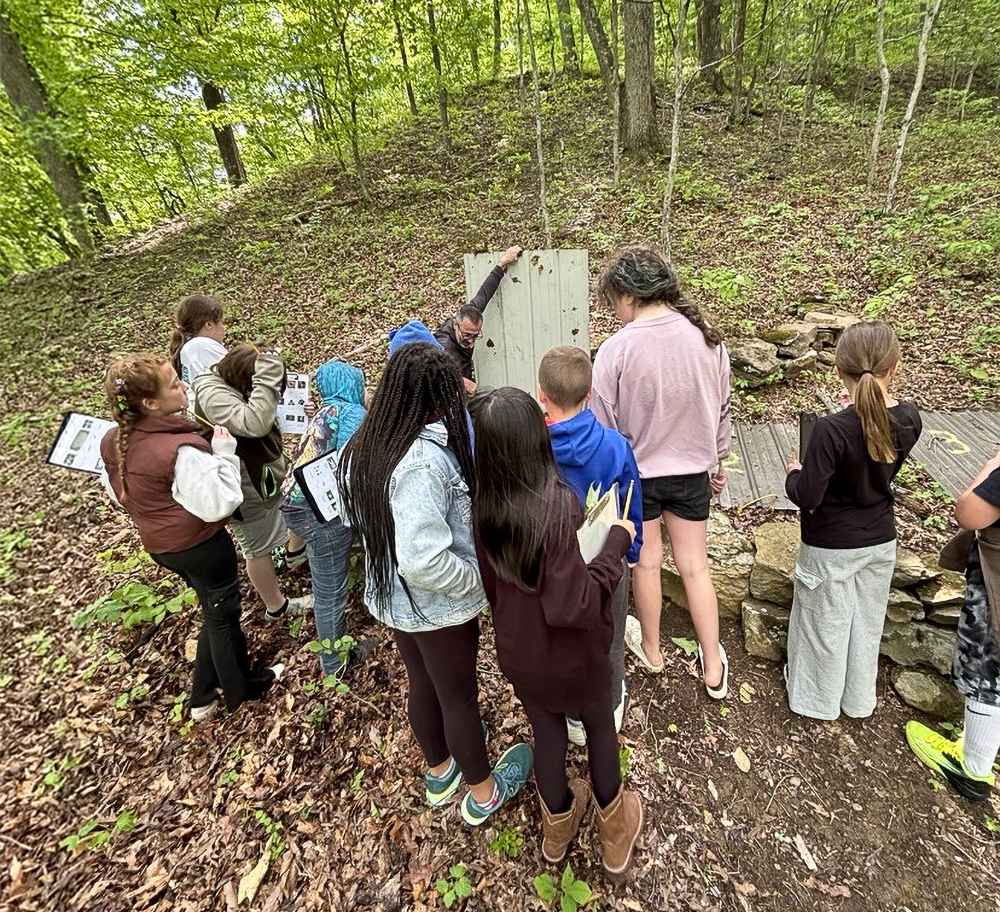
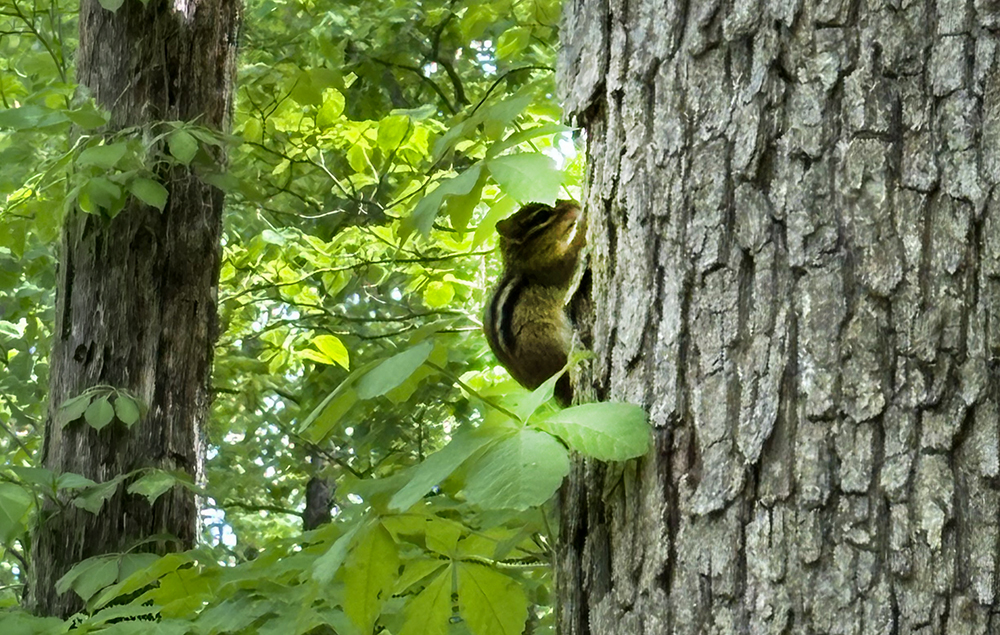
Many of Marcum’s efforts have focused on enhancing learning experiences for the hundreds of students from kindergarten through high school who tour the property annually. Along with involving a wildlife biologist from the Kentucky Department of Natural Resources, display areas have been added to highlight the reserve’s plant and animal species, including bats, hummingbirds, native cane and flying squirrels.
“Savage Branch receiving the 2017 WHC Formal Learning Award was very fulfilling, but it pales in comparison to the faces of children holding tadpoles for the first time or hearing them say that coming to Savage Branch was the best day of their life,” Marcum said. “I can’t imagine anything better.”
|
|
Multi-tasking volunteers
In preparation for her upcoming responsibilities, Ruggles attended Tandem Global’s 2026 annual conference where Savage Branch was recognized for achieving Certified Silver status. She will provide the ongoing documentation of volunteer-led activities required to maintain certification. Beyond the tours, these efforts include gathering data about various wildlife populations.
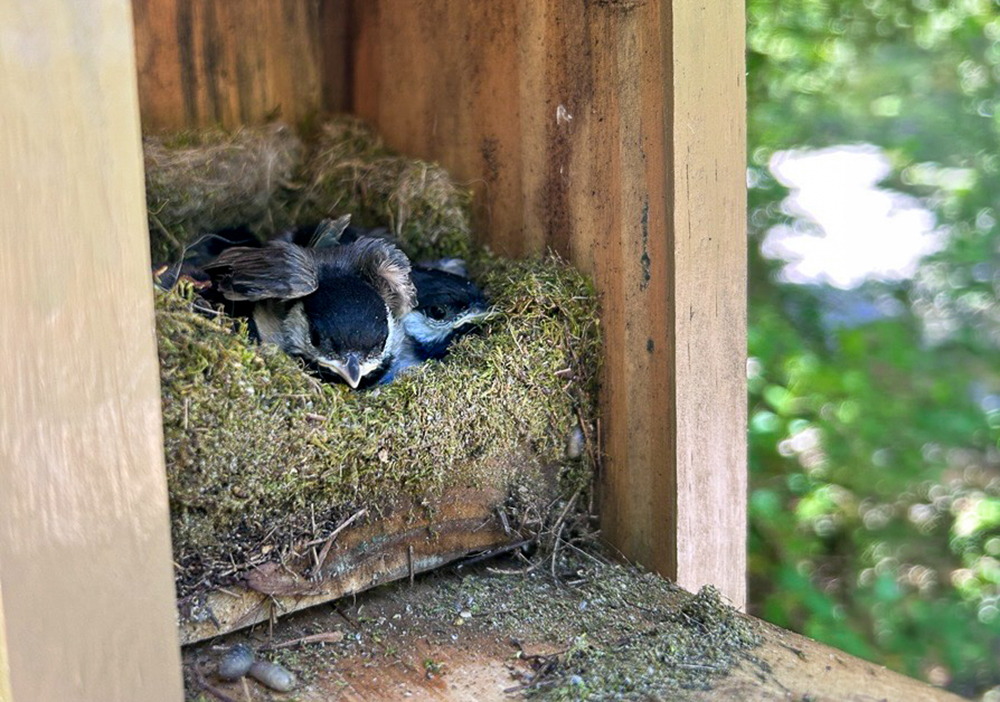
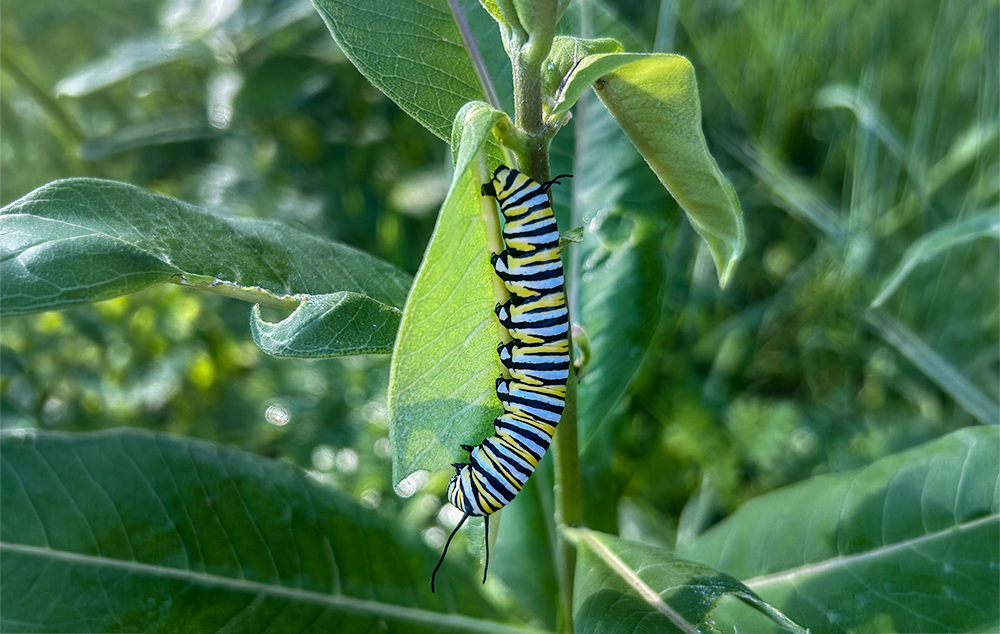
“I enjoy monitoring the 21 eastern bluebird houses we have on the site,” said Ruggles. “Since eastern bluebirds are not the only secondary cavity nesters in the area, I have been able to record chickadees and wrens in the houses, too. Tandem Global wants to see continuous improvement from programs, requiring data to evaluate over time.”
“To be able to influence the next generation of scientists and engineers is priceless, especially if that is something you are passionate about.”
Coordinating activities at the reserve involves hundreds of hours every year from employee volunteers. Ruggles praised the assistance of the refinery’s workforce, adding that managing Savage Branch would not be possible otherwise.
“The core group of environmental personnel – Vernon, Lead Environmental & Safety Technician Sandy Smith and Administrative Assistant Ashley Hall – put in so much time,” Ruggles said. “Ashley does a lot of work behind the scenes, and Sandy has supported Savage Branch even longer than Vernon. She was instrumental in creating the miles of trails we have.”
On the horizon
Ruggles has ideas for building upon the work of her predecessor, such as expanding outreach beyond school groups to include adult lunch-and-learn gatherings and possibly incorporating drones in collecting species data. She acknowledged the demands of her new time commitment but pointed to the broader benefits it will bring.
“Sometimes, the right thing to do is not easy. Sometimes, it’s a lot of work. But to be able to influence the next generation of scientists and engineers is priceless, especially if that is something you are passionate about,” said Ruggles. “I fear the biggest challenge I will face when Vernon retires is the loss of all the knowledge he has gained over the years.”
However, Marcum is not worried.
“Megan has shown she has the desire, energy and education to fully develop the opportunities that Savage Branch has the potential to provide,” he said. “It is comforting to know that Savage Branch is being passed into such capable hands.”