
Leading with Safety: Q&A with Fred Bowser
Business News
Safety, Ohio, Pennsylvania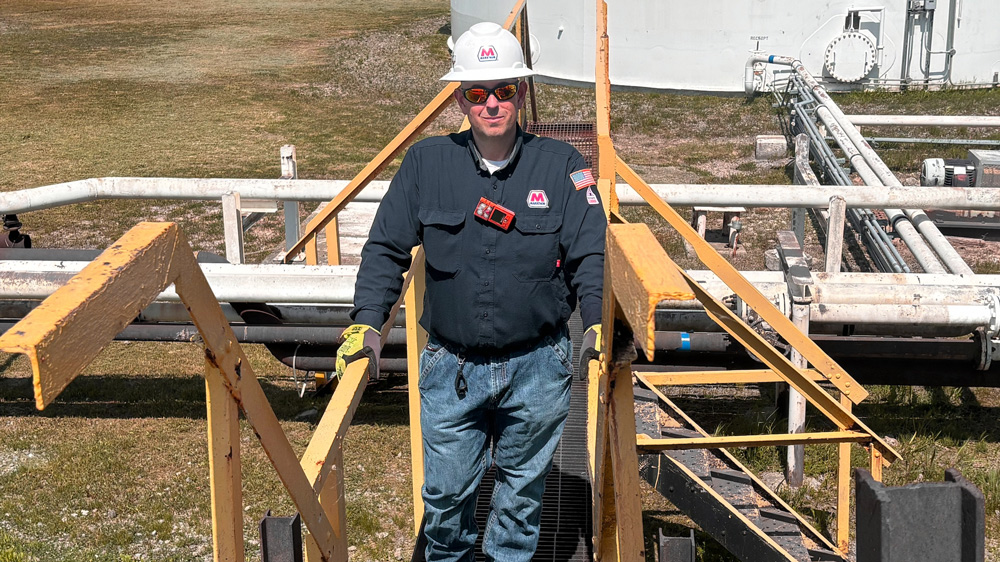
Key Points
- Senior Personal Safety Professional Fred Bowser helps teams identify hazards, strengthen work plans and apply Marathon Petroleum’s safety standards across terminals and pipeline operations in New York, Pennsylvania and Ohio.
- Bowser says keeping safety personal, discussing hazards before work begins and reviewing near misses as learning opportunities help employees stay alert and improve how work is performed.
- He also highlighted the role of audits, data and strong communication in supporting safer day-to-day operations, including a recent hot work repair completed safely through careful planning and added controls.
National Safety Month offers an opportunity to highlight the people who help keep safety at the center of everything we do. As a senior personal safety professional, Fred Bowser supports safe operations by helping teams identify hazards, build safe work plans, strengthen safety culture and apply Marathon Petroleum’s safety standards. His perspective reflects the care, preparation and accountability that uphold Marathon Petroleum’s core value of safety each day.
Bowser joined Marathon Petroleum in September 2015. He holds a Bachelor of Science in safety management from Slippery Rock University of Pennsylvania and a Master of Science in safety, security, and emergency management from Eastern Kentucky University. He supports Marathon’s Buffalo Terminal in New York; Midland and Floreffe terminals in Pennsylvania; Youngstown, Wellsville, Steubenville, Brecksville and Cleveland terminals in Ohio, along with the East Sparta area pipeline operations in Ohio.
How would you summarize your primary responsibilities as a safety professional at Marathon?
My role is centered on serving as a safety consultant during normal operations, project implementation and emergency response events. I help identify potential issues before work begins, answer safety related questions in real time and support employees and contractors in understanding how to promote the highest safety standards.
What motivates you to keep safety top of mind daily?
For me, safety is personal. I want to return home to my family each day and want the same for every employee, contractor and visitor. That mindset helps keep the importance of safe work front and center.
How do you help other employees remain focused from task to task?
I encourage teams to discuss hazards and mitigation steps before work begins. Whether during pre-job meetings, shift starters or toolbox talks, those conversations help employees stay aware of changing conditions and better prepare for the task ahead.
What is a near miss and how can reviewing near misses enhance workplace safety?
I define a near miss as an event that could have resulted in a negative outcome but did not. I believe that treating near misses as learning opportunities encourages more reporting and helps strengthen safety performance. Reviewing those events can raise awareness of hazards, improve mitigation strategies and even lead to stronger standards for how work is performed.
Can you share an example of a safety risk you identified and how you helped mitigate it?
Earlier this year, I supported a team working through a storage tank issue that required hot work repair on a floating roof. I worked with Operations and the project team to develop a safe work plan that identified hazards and outlined the right controls. With stakeholder approval, the team put additional monitoring in place to help verify that conditions remained safe throughout the job. The work was completed safely and without incident.
What role do audits and safety data play in improving day-to-day operations?
Audits can help determine whether teams are following established policies and procedures and whether those procedures clearly explain how to complete work safely. That information can lead to practical improvements that support safer operations every day.
What skills or personal traits are helpful for being an effective safety professional?
Strong communication skills, creative problem solving and sound character all contribute to success in the role. Those qualities help safety professionals build trust, solve challenges and support safer outcomes across the business.