Leading with Safety: Q&A with Eric Lord
Business News
Tampa, Florida, safety, people, careers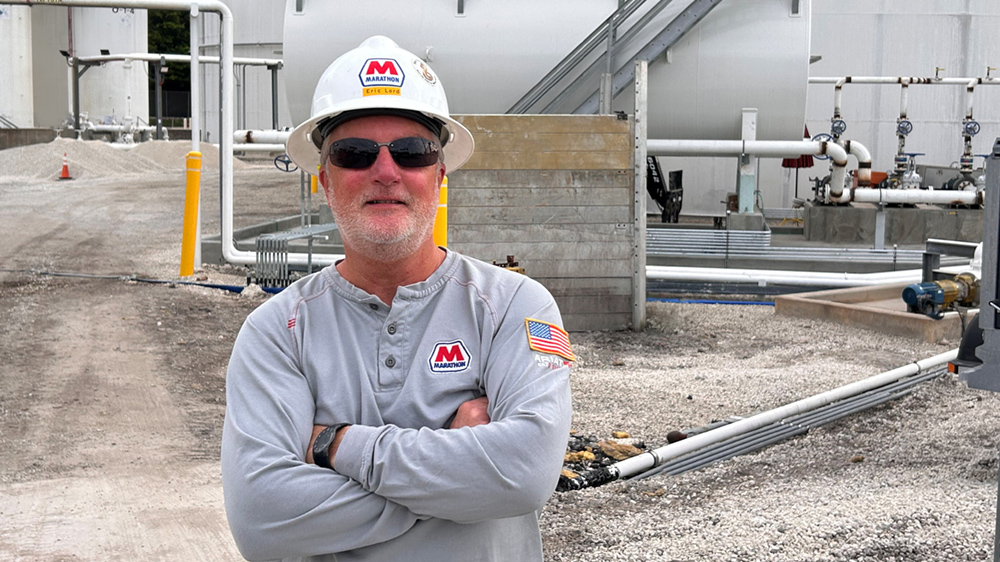
Key Points
- Personal Safety Professional Eric Lord helps support safe operations across Marathon Petroleum’s terminals in Florida and North Carolina, the Electronic Work Permitting team, the Safe Driving team and major projects.
- Lord says safety leadership depends on staying present in the field, reinforcing proactive tools and helping employees keep hazards front of mind from task to task.
- He also emphasized the importance of audits, training, incident reviews and careful planning, including work completed during Hurricane Helene response efforts with zero injuries.
National Safety Month offers an opportunity to highlight the people who help keep safety at the center of everything we do. Lead Personal Safety Professional Eric Lord supports safe operations by helping teams strengthen hazard awareness, reinforce safe work practices, cultivate a culture of safety and apply Marathon Petroleum’s safety standards across terminals, major projects and enterprise safety initiatives. His perspective reflects the focus, discipline and collaboration that support safe operations across the company.
Lord began his Marathon Petroleum career in 1998 as a terminal operator and moved into Safety five years later. He now supports southern midstream operations, including terminals in Florida and North Carolina, electronic work permitting, safe driving and major projects. He holds a Bachelor of Science in business administration with a specialty in accounting and a minor in finance and is a certified safety professional through the Board of Certified Safety Professionals.
Q: How would you summarize your primary responsibilities as a safety professional at Marathon?
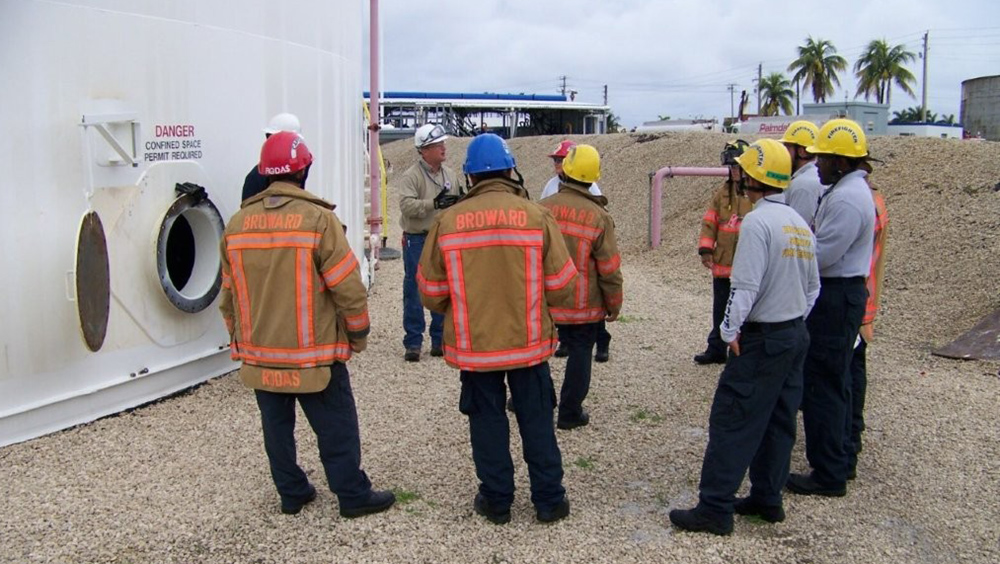
A: My key responsibility is making sure everyone feels educated and empowered to own their own safety and looking out for others. I help ensure compliance with the Occupational Safety and Health Administration (OSHA) and Marathon standards through auditing, training, inspections and project oversight. I also investigate incidents, develop corrective actions and share lessons learned across sites so we can prevent recurrence and keep improving.
Q: What motivates you to keep safety top of mind daily?
A: After so many years here, Marathon feels like a second family. I never want to see anything happen to one of my brothers or sisters, and that is what drives me every day to inform, educate and correct so everyone goes home safely.
Q: How do you help other employees remain focused from task to task?
A: I advocate for our behavior-based safety program because it helps drive better decisions and stronger habits. It’s a proactive, data-driven framework designed to prevent workplace incidents. Paired with our Big 3 safety questions, it keeps hazards front of mind and supports a safer way to work. I strive to stay present in the field, offering support or a sounding board whenever someone needs it.
Big 3 Questions to recognize and mitigate hazardsPlan – What are you going to do?
Evaluate – What could go wrong?
Prevent – What do we mitigate?
|
Q: How has your role evolved as you’ve progressed in your safety career at Marathon?
A: Early on, my large territory meant a heavy focus on inspections and audits. Over time, territories realigned and the role evolved into more one-on-one conversations with employees and contractors where I’m reinforcing that safety leadership belongs to everyone, not just the safety professional.
Q: How do you use both technical safety expertise and business knowledge to manage complex risk?
A: Risk is always present in our industry. The goal is to eliminate it where possible and manage it wisely where needed and hold the line on zero injuries. That takes experience, sound judgment and listening closely to the people doing the work.
Q: Can you describe a project or situation where your safety input significantly influenced outcomes?
A: One of the efforts I’m most proud of was our response to Hurricane Helene in 2024. Teams came together to replace critical equipment and help restore fuel supply to the Tampa Bay area. By working together, maintaining strict energy-isolation practices and planning every lift carefully, we completed the work with zero injuries.
Q: What skills or personal traits are helpful for being an effective safety professional?
A: Strong safety work starts with strong people skills. You must tailor the message to the audience, be willing to listen and keep learning. In this field, there is always more to understand, and that mindset makes safety leadership stronger.