
Junior Achievement reaches at-risk school with help from Marathon employees
Community News
Salt Lake City, Utah, foundation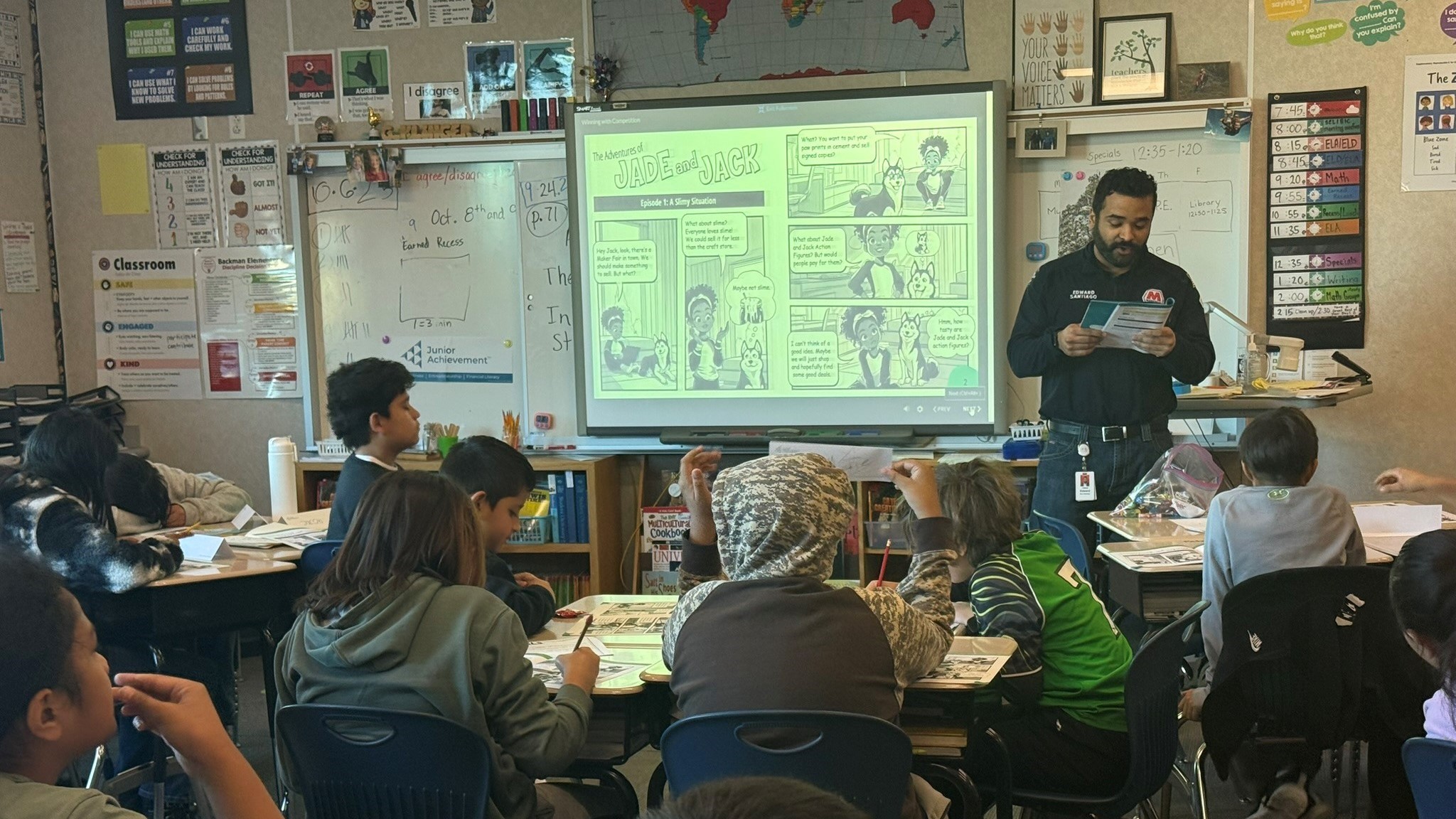
Key Points
- Junior Achievement recently got help in bringing its financially oriented curriculum to an elementary school in a low-income area of Salt Lake City, Utah.
- Given the school’s limited volunteer resources, a volunteer team from Marathon Petroleum’s Salt Lake City refinery delivered the nonprofit’s lessons.
- They also created additional experiences not typically available to the school’s students by providing explanations of engineering careers and kits for a special science activity.
Junior Achievement (JA) aims to help students better understand the adult world through lessons about financial literacy, career readiness and entrepreneurship. The nonprofit tailors its materials for all grades from kindergarten through high school, but presenting content at certain schools can create special challenges.
“We often get assistance from a school’s parent-teacher association (PTA) or parent volunteers. However, in many of the at-risk schools we serve, a PTA may not be present or active,” said JA of Utah & Idaho Program Manager Brooke Davis. “In these cases, we rely on community volunteers to accommodate a school’s limited resources.”
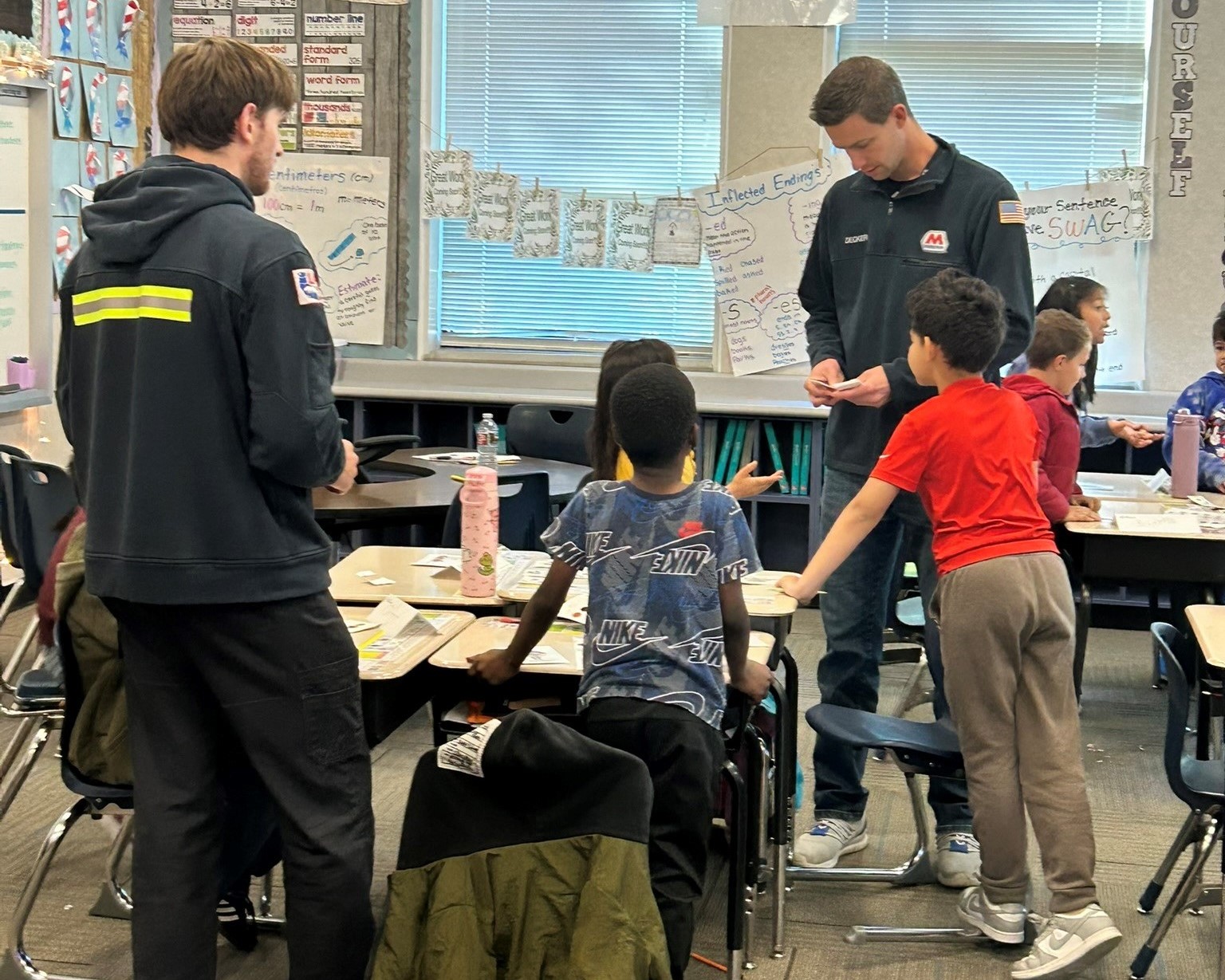
Help came recently at Backman Elementary, a school in a low-income area of Salt Lake City. Ten employee and intern/co-op volunteers from Marathon Petroleum Corporation’s (MPC) Salt Lake City refinery didn’t just train to present JA lessons to first through fifth graders, they also provided career inspiration.
|
|
“We had the chance to tell students what we do in engineering and refining. We connected the lessons about financial literacy to their future,” said Mechanical Reliability Engineer Edward Santiago. “We wanted to make sure they knew that their backgrounds do not impact their future, meaning they can become whatever they want through hard work and dedication.”
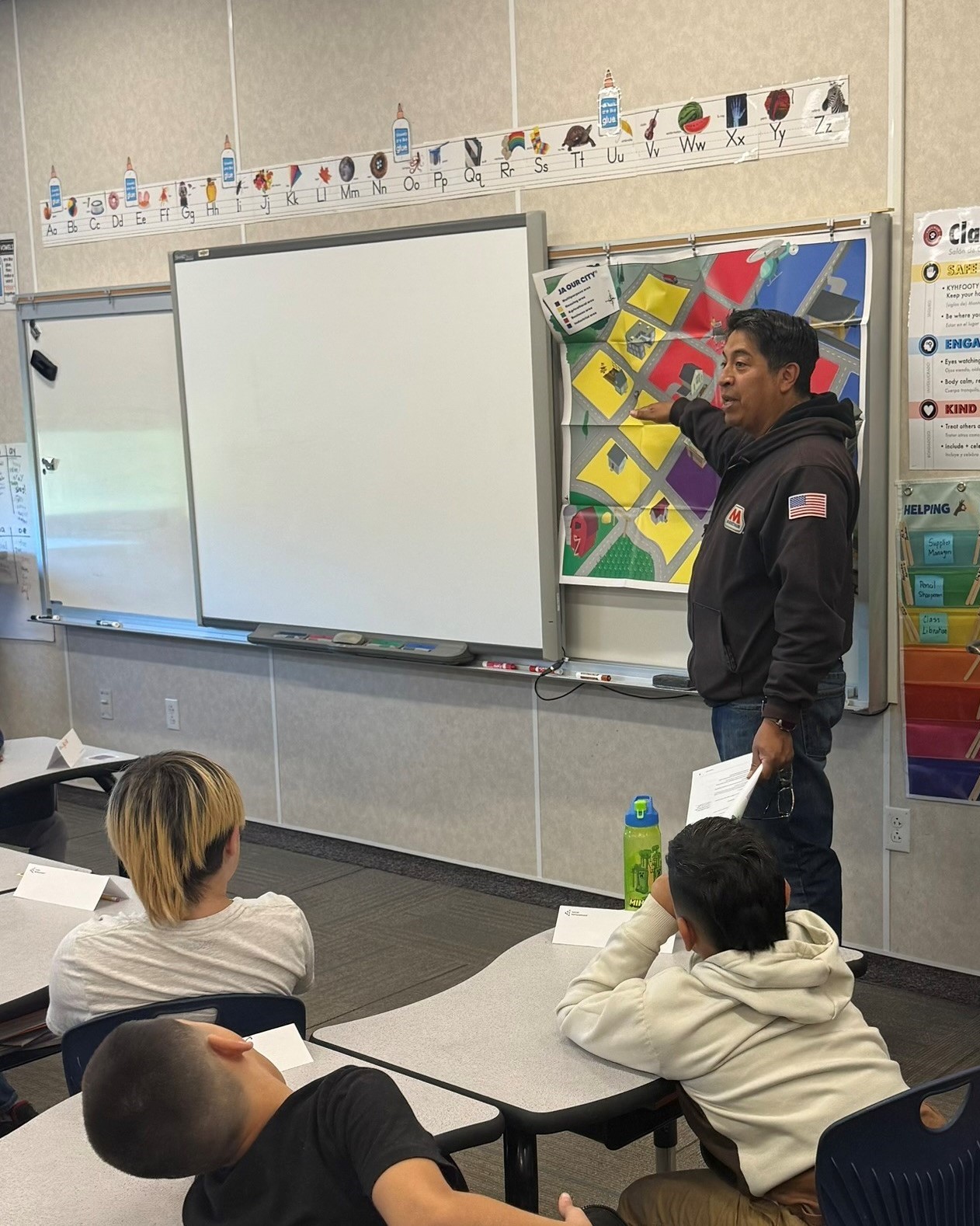
JA’s elementary school curriculum focuses on building general awareness of the value of work and money, types of careers and how communities function. For example, a third-grade exercise has students redesign underused areas of a city with a design process that requires thinking like actual city planners to create spaces for services and activities.
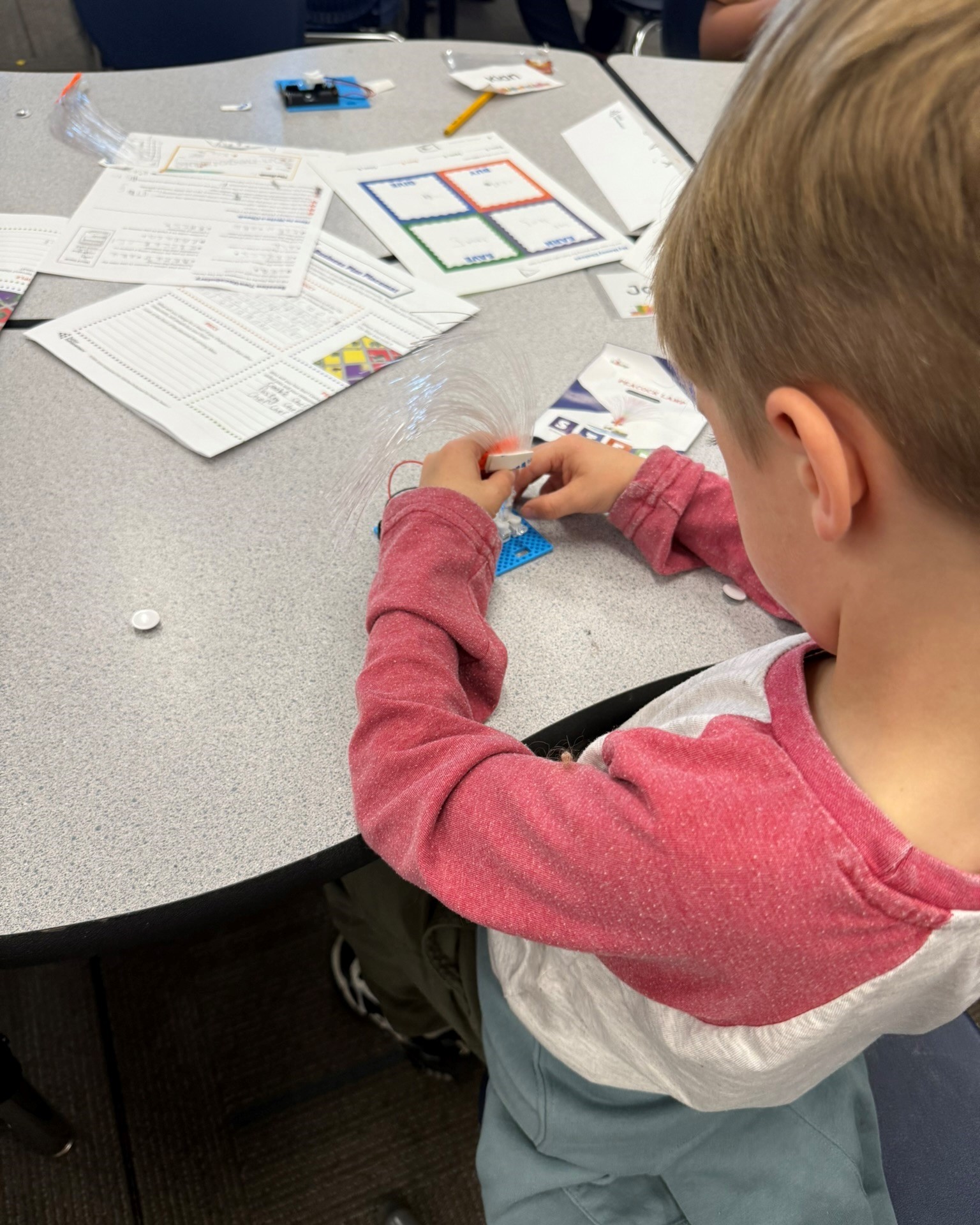
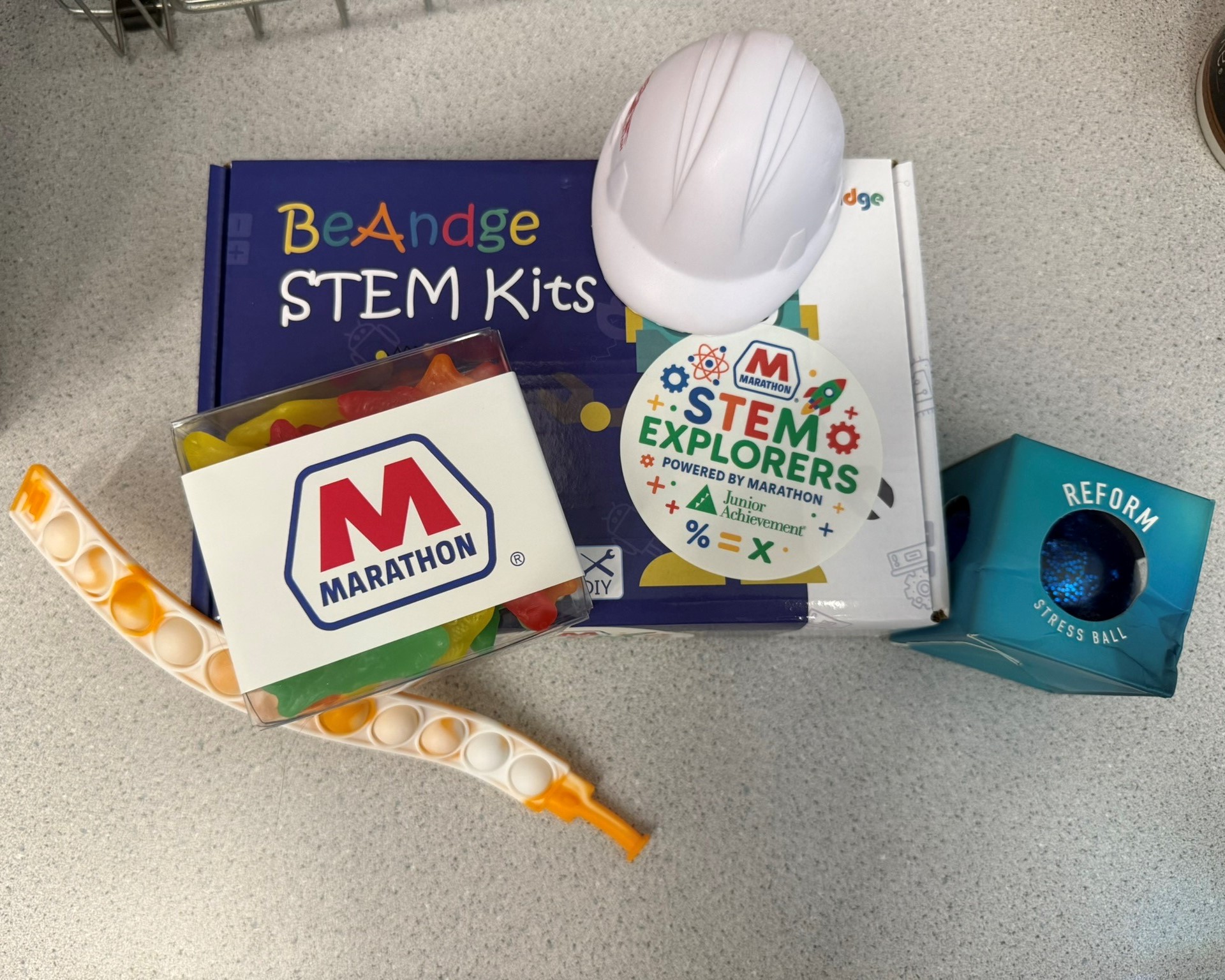
MPC’s team of volunteers provided additional dimensions. They gave all students kits for a science activity in which they guided the students in assembling a battery-powered toy that lights up. Davis also noted that the ability of several volunteers to speak Spanish further enhanced learning because many students at the school are from homes where Spanish is the primary language.
“The buzz was everywhere. Teachers took pictures to share with families because this kind of thing isn’t typical for them.”
|
|
|
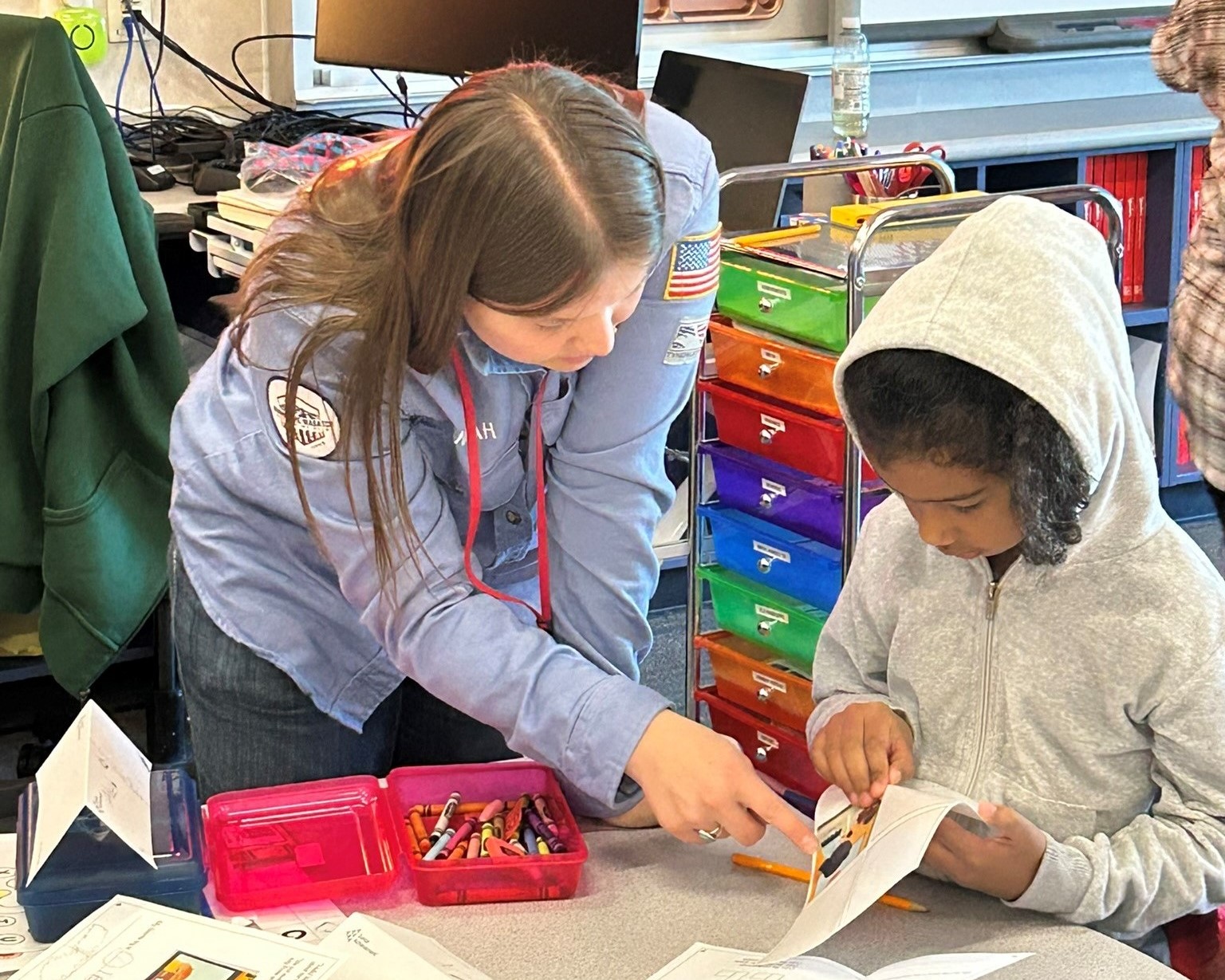
“The group put one Spanish-speaking volunteer in every classroom, which was especially meaningful for kids who aren’t typically as engaged due to language barriers,” Davis said. “The kids were also excited about the science kits. The buzz was everywhere. Teachers took pictures to share with families because this kind of thing isn’t typical for them.”
The refinery’s volunteers took away their own benefits from the experience.
“A third grader told me that she loved building the science kit and wanted to be an engineer like me when she grows up, so she can build cool projects like this every day,” said Mechanical Engineering Intern/Co-Op Savannah Lad, who called this volunteer opportunity one of the highlights of her Co-Op term. "As I am about to start my engineering career, I'm so excited to give back by inspiring the next generation of engineers, just like I was inspired when I was a kid.”