
From roads to roofs: Asphalt Day spotlights industry’s impact and innovation
Business News
business, careers, people
Key Points
- Asphalt Day takes place every year on May 15 to recognize the asphalt industry’s broad societal impact through products such as pavement and roofing shingles.
- Marathon Petroleum is the largest asphalt producer in the U.S., providing more than 130 products through its refinery and terminal network.
- Asphalt Technology Director Anas Jamrah and his technical team represent a key part of the company’s asphalt value chain organization.
The spark that ignited Anas Jamrah’s enduring interest in how things are built and how they perform over time came at a young age. His father, a civil engineering educator, introduced him to the field and concepts of how infrastructure shapes the world.
“That early exposure eventually led me into construction materials, where I found asphalt especially interesting because it sits at the intersection of engineering, chemistry and performance,” Jamrah said.
While finishing a Ph.D. in civil engineering at Michigan State University, Jamrah became an intern at Marathon Petroleum Corporation (MPC). He later transitioned to the role of senior asphalt technologist in 2015 and currently serves as asphalt technology director. He leads a seven-member technical team and works closely with a cross-functional group of about 50 colleagues spanning commercial, supply, trading and logistics, and coordinating teams within MPC’s asphalt value chain organization.
“For anyone who enjoys tackling practical challenges and seeing the impact of their work, asphalt is a rewarding place to build a career.”
Asphalt Day (May 15) is an international recognition of the industry’s impact and the people behind it, such as Jamrah and his fellow employees who help make MPC the largest asphalt producer in the U.S. Data cited by the Asphalt Institute indicate 94% of U.S. roads are paved with asphalt and 80% of residential roofs in the U.S. are made of asphalt shingles. The institute also notes that asphalt is the most recycled material, by weight, in the U.S., reducing environmental impact.
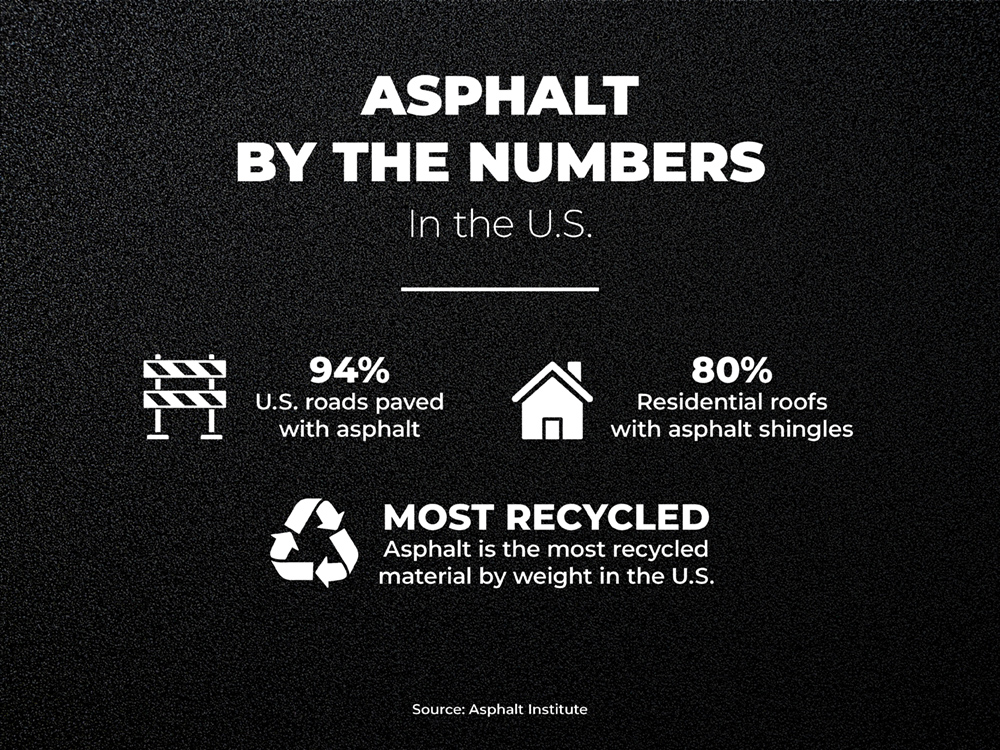

MPC operates seven asphalt-producing refineries and 27 asphalt terminals. They are responsible for the production, storage and distribution of over 130 asphalt products.
Asphalt binder is the heavy fraction that remains after distilling crude oil. This sticky substance is used to hold together rock fragments in asphalt pavement and mineral granules on shingles. It plays a key role in their durability and performance over time.
“We blend the binder to meet specific performance grades depending on the application, whether that’s paving, roofing or other uses,” said Jamrah. “We also supply products like asphalt emulsions and polymer modified binders. Polymers can improve durability for high traffic roadways, while chemical emulsifiers make it possible to apply asphalt at lower temperatures for maintenance and preservation applications.”
Jamrah’s team focuses on ensuring the quality, consistency and performance of asphalt products across MPC’s network. This involves supporting refinery and terminal operations, working through product or process issues, partnering with customers, and evaluating new materials and blending approaches.
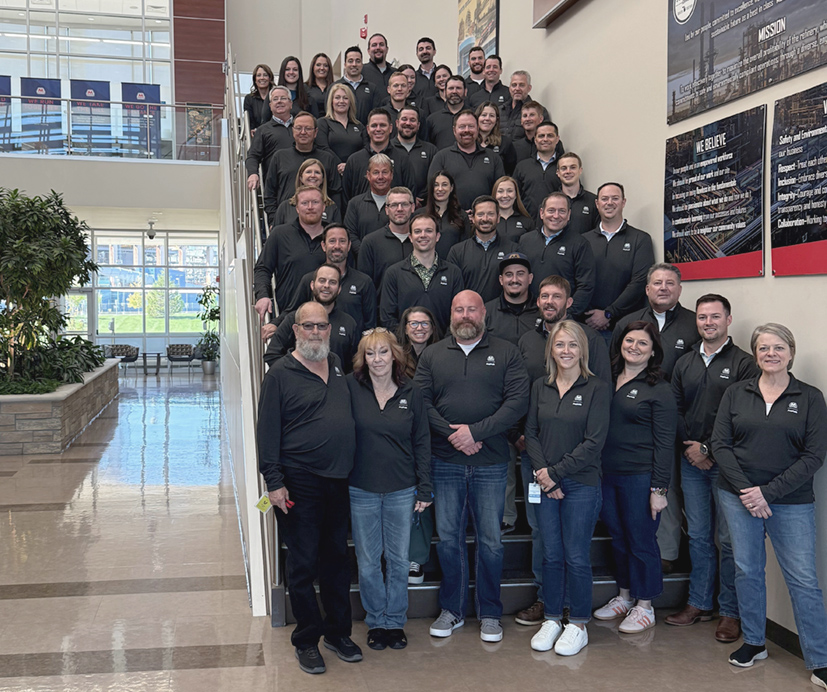
“We have a wide range of backgrounds on the team, with strengths spanning operations, research and analytics, refining, troubleshooting and customer support,” Jamrah said. “What really matters in this space isn’t a specific background. It’s curiosity and a willingness to learn. For anyone who enjoys tackling practical challenges and seeing the impact of their work, asphalt is a rewarding place to build a career.”
Learn more at MPC’s asphalt products website.